Thinking about trading Bay Area speed for a Santa Cruz lifestyle? The change can feel exciting, but it is not always the affordability reset people expect. If you are considering a move over the hill, it helps to understand how housing, commuting, and day-to-day life really work here so you can make a smart, confident decision. Let’s dive in.
Santa Cruz Feels Smaller by Design
Moving from the Bay Area to Santa Cruz is often less about mileage and more about scale. Santa Cruz is a compact coastal city with about 61,797 residents across 12.74 square miles, so your daily routine may feel more local and neighborhood-based than it does in larger metro areas.
That smaller footprint shows up in how you live day to day. The city highlights access to beaches, open spaces, and the historic Santa Cruz Wharf, and the county trail network supports both recreation and practical local travel. For many buyers, that means your week can feel less spread out, with more of life happening close to home.
Expect Coastal Costs, Not a Bargain Market
One of the biggest surprises for Bay Area buyers is that Santa Cruz is still expensive. According to U.S. Census data, the median owner-occupied home value in Santa Cruz is $1,209,000.
Ownership also does not dominate the market here. Owner-occupied housing makes up 48.4% of the city’s housing, while renter-occupied homes slightly outnumber owner-occupied ones, and the median gross rent is $2,452. In other words, moving to Santa Cruz may bring a different lifestyle, but not necessarily a major drop in housing costs.
If you are buying, this is why financing matters early. Census data also shows median monthly owner costs with a mortgage at $3,888, which is a helpful reminder to set your budget before you fall in love with a view, a street, or a charming older home.
Santa Cruz Housing Has More Variety Than You May Expect
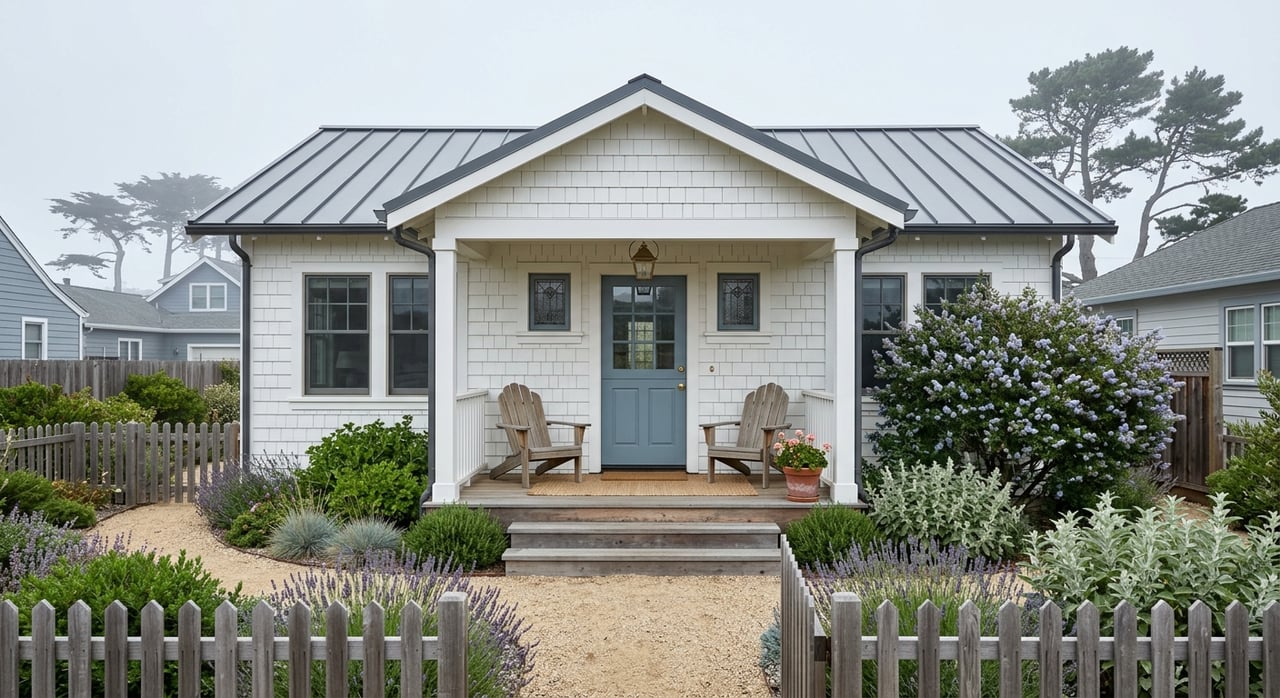
Santa Cruz housing stock can shift quickly from block to block. You may find older cottages, historic homes, condos, townhomes, and newer multifamily buildings all within a relatively short distance.
A large part of the city’s character comes from its older homes. Santa Cruz has four designated historic districts, along with additional potential historic districts in areas including Ocean View Avenue, Beach Hill, and South of Laurel. The city’s historic building surveys cover homes and buildings from roughly 1850 through 1950, including many vernacular structures, which helps explain why one street can feel very different from the next.
For buyers coming from more uniform Bay Area subdivisions or newer urban housing, this variety can be a real draw. It can also mean you need to look more carefully at each property’s condition, improvement history, and local review requirements.
Older Homes Can Bring Extra Review Requirements
If a home is located in a historic district or appears on the city survey, exterior changes may require review or permits. That matters if you are planning to replace windows, change materials, build an addition, or take on a larger renovation.
This does not mean historic homes are off limits. It simply means you should verify what is allowed before you buy, especially if your plan depends on changing the property over time.
Newer Multifamily Homes Follow City Standards
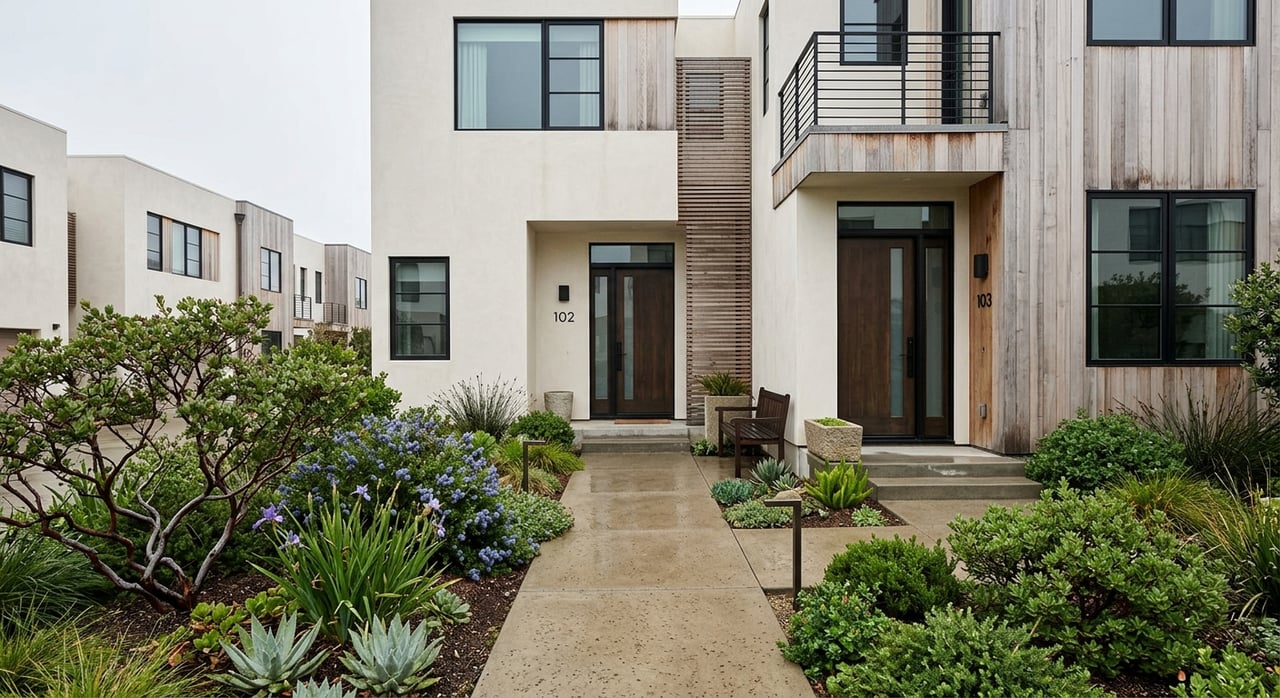
Santa Cruz also has a more structured approach to newer multifamily development. The city adopted objective design standards for multifamily housing in 2022, and those standards took effect citywide in March 2024.
These standards cover features such as roofs, facades, building materials, open space, parking, landscaping, and lighting. If you are considering a condo or another multifamily option, it helps to know that newer projects may feel more standardized than the city’s older housing stock.
ADUs Matter More Here Than Many Buyers Realize
Accessory dwelling units are part of the local housing conversation in Santa Cruz. The city allows qualifying detached and junior ADUs, generally up to 800 square feet with 4-foot side and rear setbacks, along with some height flexibility near major transit stops or high-quality transit corridors.
For buyers, that can create future flexibility. An ADU may support guest space, long-term rental use, or additional separation for work or family needs, depending on the property and applicable rules.
For sellers, ADU paperwork matters too. If a property includes an ADU or has the potential for one, buyers will want to understand what is legal, what is documented, and what may be possible later.
Highway 17 Will Shape Your Experience
If you are moving from the Bay Area but keeping ties to Silicon Valley, your experience will likely revolve around Highway 17. It remains the main over-the-hill connection between Santa Cruz County and Silicon Valley.
That route is essential, but it is not frictionless. The Santa Cruz County Regional Transportation Commission notes that a Freeway Service Patrol operates on Highway 17 between Scotts Valley and the summit during peak traffic hours, and the Safe on 17 Task Force continues to work on safety improvements. That tells you something important: this corridor is heavily used, closely watched, and worth testing in real life before you commit to a routine commute.
You May Have a Bus Commute Option
Driving is not the only path for some residents. Santa Cruz METRO provides local service across the county and also runs Highway 17 Express commuter service to downtown San Jose.
Its Route 17 service reaches Diridon Station, which means some commuters can combine bus and rail instead of driving the full trip. If you want to reduce driving stress, this option is worth exploring as part of your move planning.
Local Travel Can Feel More Bikeable and Walkable
Santa Cruz County also invests in non-car transportation. The Regional Transportation Commission says the Monterey Bay Sanctuary Scenic Trail network will ultimately provide about 50 miles of multi-use bicycle and pedestrian trails connecting neighborhoods, parks, transit hubs, commercial centers, coastal access areas, and other key destinations.
That can be a meaningful quality-of-life change if you are used to a more car-heavy suburban pattern in the Bay Area. In some parts of Santa Cruz, local trips may feel easier, shorter, and more connected to the outdoors.
How to Tour Santa Cruz Like a Local
A casual weekend visit is helpful, but it does not tell you everything. Santa Cruz can feel very different depending on the day, time, traffic, and parking situation.
If you are serious about moving, try to test the city in a way that mirrors your actual life. Downtown has 19 parking lots, and beach-area meters are enforced seven days a week from 8 a.m. to 8 p.m., so convenience and access may feel different on a weekday afternoon than on a relaxed Saturday morning.
Here are a few smart ways to evaluate the move:
- Get preapproved before you tour seriously.
- Test Highway 17 during the hours you would actually travel.
- Ride the Highway 17 Express if that could be part of your commute.
- Visit neighborhoods at different times of day.
- Pay attention to parking, street activity, and how long routine errands really take.
- Ask about historic review or permit constraints before planning upgrades.
- Confirm ADU potential early if flexibility is part of your goals.
What Sellers Should Know About Bay Area Buyers
If you are selling in Santa Cruz, Bay Area buyers often arrive with a strong lifestyle vision. They may be drawn to the coast, a smaller-scale routine, older architecture, or a home that feels distinct from what they have seen elsewhere.
At the same time, these buyers tend to ask practical questions quickly. They want to understand commute realities, permit history, renovation limitations, and whether an ADU is legal or possible.
That is why preparation matters. Gathering permit records, ADU documentation, and clear information about the home before listing can help buyers move forward with more confidence and fewer delays.
The Move Is Usually About Lifestyle and Scale
For most Bay Area households, moving to Santa Cruz is not a simple trade for lower costs. It is more often a lifestyle decision shaped by the coast, a more compact city pattern, distinct neighborhoods, and a different pace.
The right move starts with clear expectations. If you understand the housing mix, test the commute honestly, and look closely at property-specific details like historic review and ADU rules, you can make a transition that feels thoughtful instead of rushed.
If you are planning a move from the Bay Area to Santa Cruz and want calm, precise local guidance, Caroll Basile can help you understand the neighborhoods, compare your options, and move forward with confidence.
FAQs
What should Bay Area buyers expect from Santa Cruz home prices?
- Santa Cruz is still a high-cost market, with a median owner-occupied home value of $1,209,000, so the move is usually more about lifestyle and scale than major savings.
What should Bay Area commuters know about living in Santa Cruz?
- Highway 17 is the main route to Silicon Valley, and commute conditions can vary enough that a real test drive or Highway 17 Express ride is more useful than map distance alone.
What should buyers know about older homes in Santa Cruz?
- Many Santa Cruz homes have historic character, and if a property is in a historic district or on the city survey, exterior changes may require review or permits.
What should buyers know about ADUs in Santa Cruz?
- Santa Cruz allows qualifying detached and junior ADUs, generally up to 800 square feet with 4-foot side and rear setbacks, which can add future flexibility depending on the property.
What should sellers prepare before listing a Santa Cruz home?
- Sellers should gather permit history and any ADU-related paperwork early so buyers can clearly understand what is documented, what is legal, and what may be possible later.