Dreaming about a second home in Aptos? It is easy to picture beach walks, redwood trails, and quiet weekends away, but the right purchase here is about more than finding a beautiful house. You also need to think about how you plan to use the property, what future changes may require approval, and whether rental income is truly realistic. If you are considering a second home in this part of Santa Cruz County, this guide will help you focus on the details that matter most. Let’s dive in.
Why Aptos draws second-home buyers
Aptos offers a rare mix of coastal living and wooded retreat. As an unincorporated area of Santa Cruz County, it includes communities such as Rio Del Mar, Seacliff, and Seascape, and it also serves as the gateway to The Forest of Nisene Marks State Park.
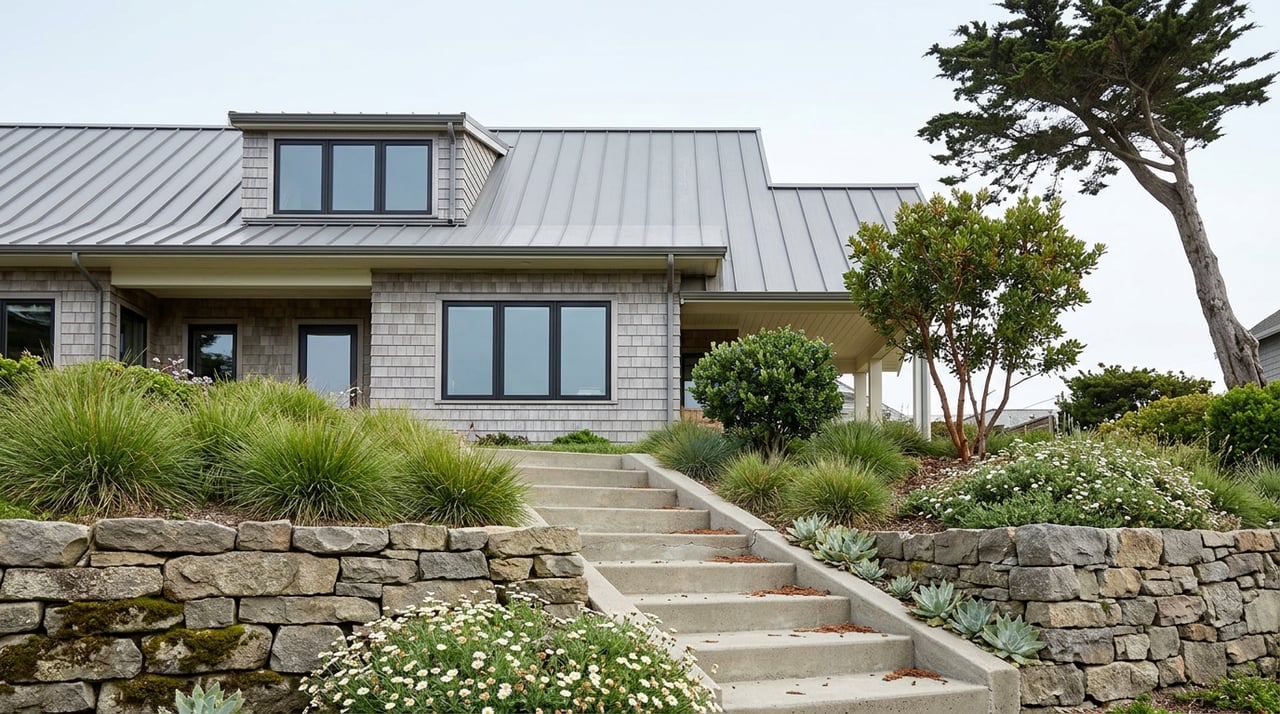
That combination gives you more than one version of the Aptos lifestyle. You might be drawn to a home near Seacliff State Beach or Rio Del Mar State Beach for shoreline access, or you may prefer a more tucked-away setting closer to the forested areas near Nisene Marks. In practical terms, those choices can feel like very different products, even within the same broader market.
For many second-home buyers, that is the real appeal. Aptos can offer a relaxed coastal rhythm, easy access to outdoor recreation, and a more private escape, depending on where you buy.
Choose your Aptos lifestyle
Beach-close living
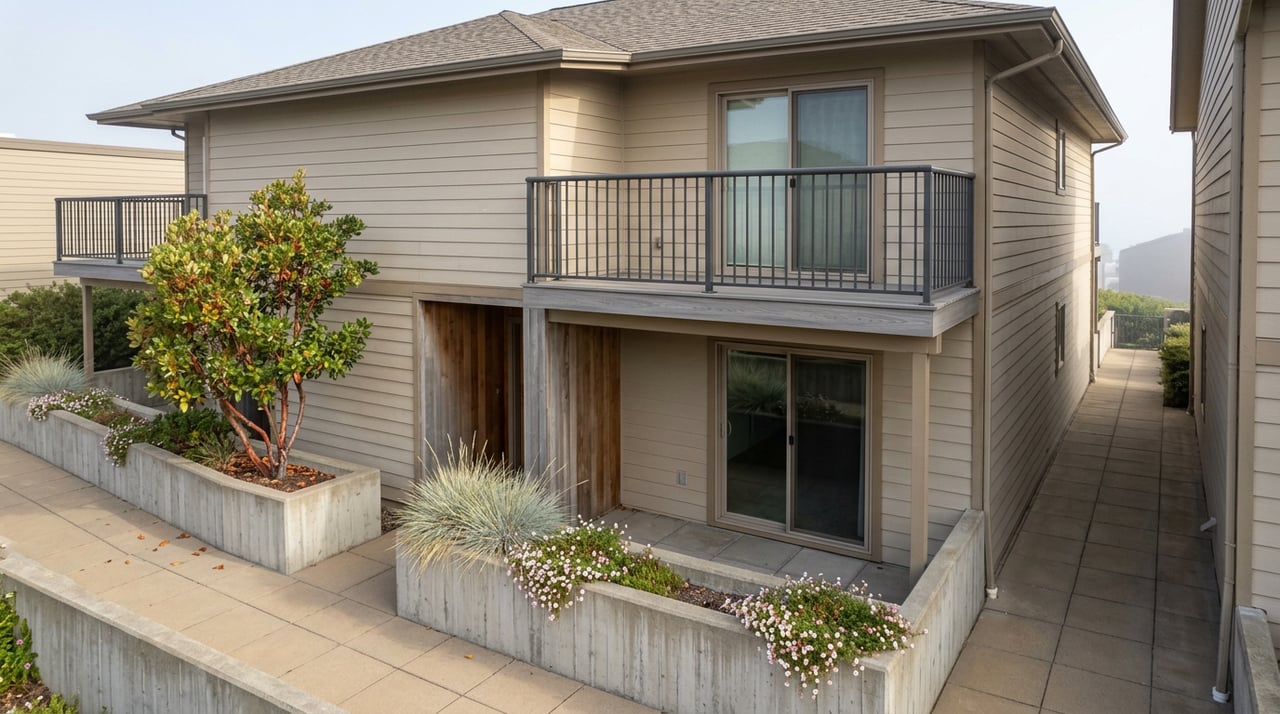
If you want to be near the sand, beach-close areas in Aptos can deliver the classic coastal experience. Locations near places like the Seacliff Beach Area and Rio Del Mar Esplanade offer convenient access to the shoreline and the walkable, breezy feel many second-home buyers want.
But there is an important tradeoff. In Santa Cruz County’s Coastal Zone, many property projects require Coastal Development Permit review, and work near beaches, coastal bluffs, and certain appeal-jurisdiction areas can face extra scrutiny or appeal rights.
That matters if you hope to remodel, expand, rebuild, change site features, or make other improvements later. A home that feels simple to buy today may come with more planning complexity tomorrow.
Tucked-away privacy
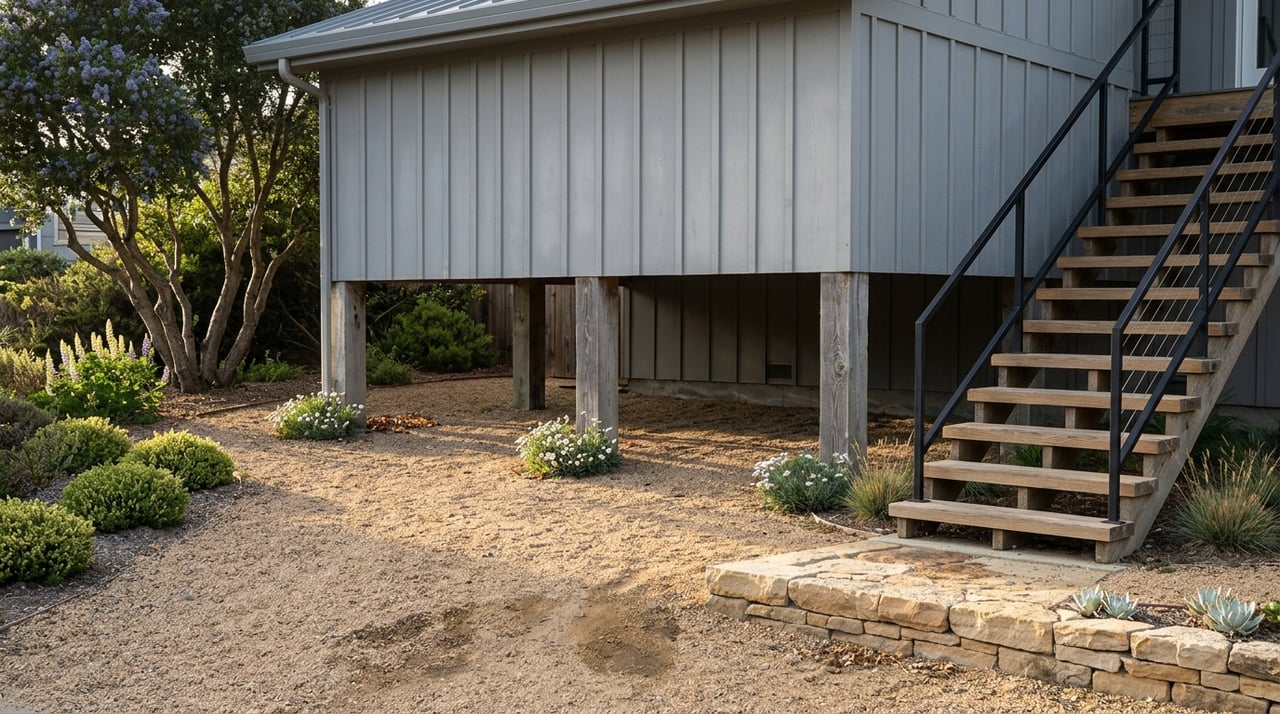
If your vision is a quieter lock-and-leave retreat, a more inland or forest-edge setting may be a better fit. Areas closer to Aptos Village or the Nisene Marks corridor can appeal to buyers who want privacy, a wooded backdrop, and a different kind of calm.
Here, the conversation often shifts from beach access to terrain and property conditions. Because the Forest of Nisene Marks rises from near sea level into steep coastal mountains, inland properties may bring questions around slope, access, vegetation, and geologic issues.
Not every inland property has the same concerns, of course. Still, it is smart to view the choice between shoreline convenience and wooded seclusion as both a lifestyle decision and an ownership decision.
Look past the purchase price
A second home can feel wonderfully personal, but it should also be evaluated with discipline. In Aptos, your long-term ownership costs may be shaped by maintenance, permitting, and site conditions just as much as by your mortgage or closing costs.
Santa Cruz County’s Planning and Unified Permit Center handles pre-purchase inquiries and records research, along with topics such as geologic hazards, stormwater, encroachment, sanitation, and transportation permits. That makes early due diligence especially important if you want clarity before you write or remove contingencies.
A practical way to think about it is this: you are not only buying the home as it exists today. You are also buying its future flexibility.
Understand permit and property-change rules
For second-home buyers, one of the biggest surprises can be how many common projects may require local review. Santa Cruz County states that a Coastal Development Permit may be needed for construction, reconstruction, size changes, demolition, grading, subdivision, and changes in use intensity.
Even some projects that might otherwise seem minor can require review in certain locations, especially on beaches, wetlands, or within 50 feet of a coastal bluff. The county also notes that coastal policies encourage preservation of mature trees, and significant tree removal can require a permit.
This does not mean you should avoid coastal property. It means you should ask the right questions before you buy, especially if you are imagining updates, additions, new fencing, grading work, or landscaping changes down the road.
Check hazards by parcel, not by area
In Aptos, broad neighborhood impressions are not enough. Hazard exposure should be reviewed at the parcel level, because risk can vary significantly from one property to the next.
Three official sources are especially important during due diligence:
- CAL FIRE Fire Hazard Severity Zone maps
- FEMA’s Flood Map Service Center
- Santa Cruz County’s Sea Level Rise Vulnerability Assessment Project
CAL FIRE classifies State Responsibility Area lands as Moderate, High, or Very High fire hazard. FEMA provides the official public source for NFIP flood hazard maps. Santa Cruz County’s sea-level-rise project focuses on coastal hazards, erosion, and long-term resilience.
Together, these sources help you move beyond assumptions. If you are buying a second home, that kind of precision matters because it can affect maintenance planning, future improvements, and insurance conversations.
Think carefully about rental plans
Many second-home buyers wonder whether occasional rental income could help offset ownership costs. In Aptos, that question should be treated as a local rules question first, not as a casual assumption.
Santa Cruz County states that renting part or all of a home for less than 30 days requires a short-term rental permit. The county distinguishes between Hosted Rentals, where the owner or long-term resident occupies one legal bedroom while one to three other legal bedrooms are rented, and Non-Hosted Rentals, which are entire-home rentals.
That alone makes a big difference for second-home buyers. If you plan to use the property mainly as your own retreat, you need to confirm whether your desired rental setup actually aligns with county rules.
Key short-term rental limits
Santa Cruz County also places important limits on where short-term rentals are allowed. According to current county rules, short-term rentals are prohibited in:
- Mobile home parks
- Affordable housing units
- Apartment buildings
- Properties containing an ADU or Junior ADU
The county also states that only one short-term rental is allowed per person, entity, or property. There is also a waitlist with first-applied, first-issued review on a biannual schedule.
In the Seacliff, Aptos, and La Selva Beach Designated Area, additional block-density and adjacency rules may further limit permit availability. So if rental income is part of your second-home strategy, you should verify the exact parcel and permit path before relying on that income in your numbers.
Factor in local taxes and fees
Santa Cruz County levies a 14% Transient Occupancy Tax rate for vacation rentals in the unincorporated county. County application pages also show meaningful permit fees, especially for Non-Hosted Rentals.
For buyers, the takeaway is simple. Rental potential is not just about demand or nightly rates. It is also about zoning, permit availability, taxes, and operating costs.
Questions to ask before you buy
Aptos second-home purchases often go more smoothly when you ask detailed questions early. A calm, precise review now can save you stress later.
Here are some of the most useful questions to bring into your buying process:
- Is the parcel in the Coastal Zone?
- Would future remodels, additions, fencing, grading, or tree removal trigger a Coastal Development Permit?
- Is the property in a special coastal area such as Seacliff Beach Area or Rio Del Mar Esplanade, where additional design standards apply?
- Is short-term rental use actually permitted on this parcel under current county rules?
- Would ADU or Junior ADU restrictions, block-density rules, or the county waitlist make short-term rental use unrealistic?
- What do the flood and fire hazard maps show for the exact address?
- Are there prior permits, drainage issues, sewer or septic records, encroachment questions, or geologic-hazard notes worth reviewing before closing?
These are not small details. In a market like Aptos, they are often central to whether a property truly fits your goals.
Buy with clarity, not assumptions
A second home in Aptos can be a beautiful investment in your lifestyle. It can also be a place to slow down, host loved ones, and enjoy the art de vivre that makes this stretch of Santa Cruz County so special.
The key is to buy with clear eyes. In Aptos, the right property is not just the one that looks good on showing day. It is the one that matches how you want to live, what level of upkeep you are comfortable with, and how much flexibility you want in the years ahead.
If you are considering a second home in Aptos and want thoughtful, detail-driven guidance, Caroll Basile offers calm local insight, strategic advocacy, and a refined approach tailored to Santa Cruz County’s unique coastal market.
FAQs
What makes Aptos appealing for a second home?
- Aptos offers a mix of beach access, wooded surroundings, and outdoor recreation, with communities like Rio Del Mar, Seacliff, and Seascape plus access to The Forest of Nisene Marks State Park.
What should buyers know about coastal permits in Aptos?
- In Santa Cruz County’s Coastal Zone, many property changes may require Coastal Development Permit review, including some construction, reconstruction, grading, demolition, and changes in use intensity.
What is the difference between beach-close and inland Aptos homes?
- Beach-close homes may offer easier shoreline access but can come with added coastal review considerations, while inland or forest-edge homes may raise questions about slope, access, vegetation, and geologic conditions.
Can you use an Aptos second home as a short-term rental?
- Possibly, but Santa Cruz County requires a short-term rental permit for rentals under 30 days, and permit limits, waitlists, property restrictions, and designated-area rules can affect whether that use is allowed.
What local tax applies to vacation rentals in Aptos?
- Santa Cruz County levies a 14% Transient Occupancy Tax on vacation rentals in the unincorporated county.
What hazard checks matter when buying a second home in Aptos?
- Buyers should review the exact parcel using CAL FIRE fire hazard maps, FEMA flood maps, and Santa Cruz County’s sea-level-rise resources rather than assuming conditions based on the neighborhood name alone.