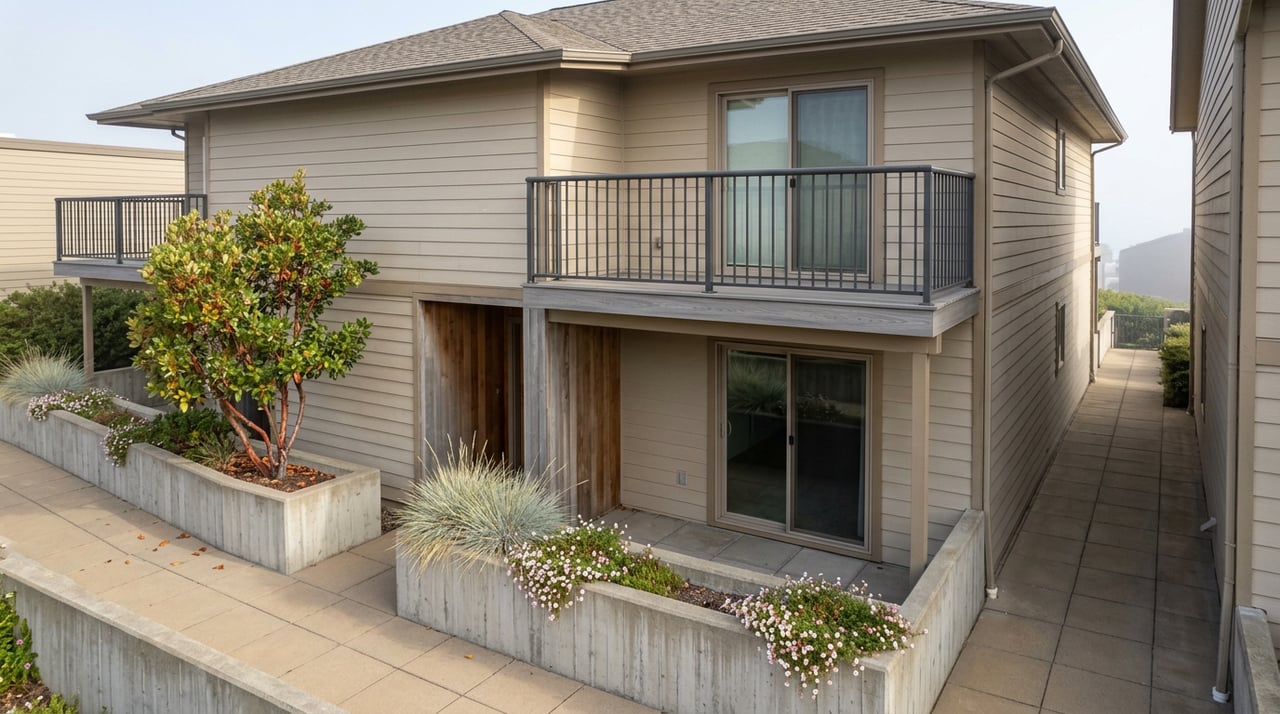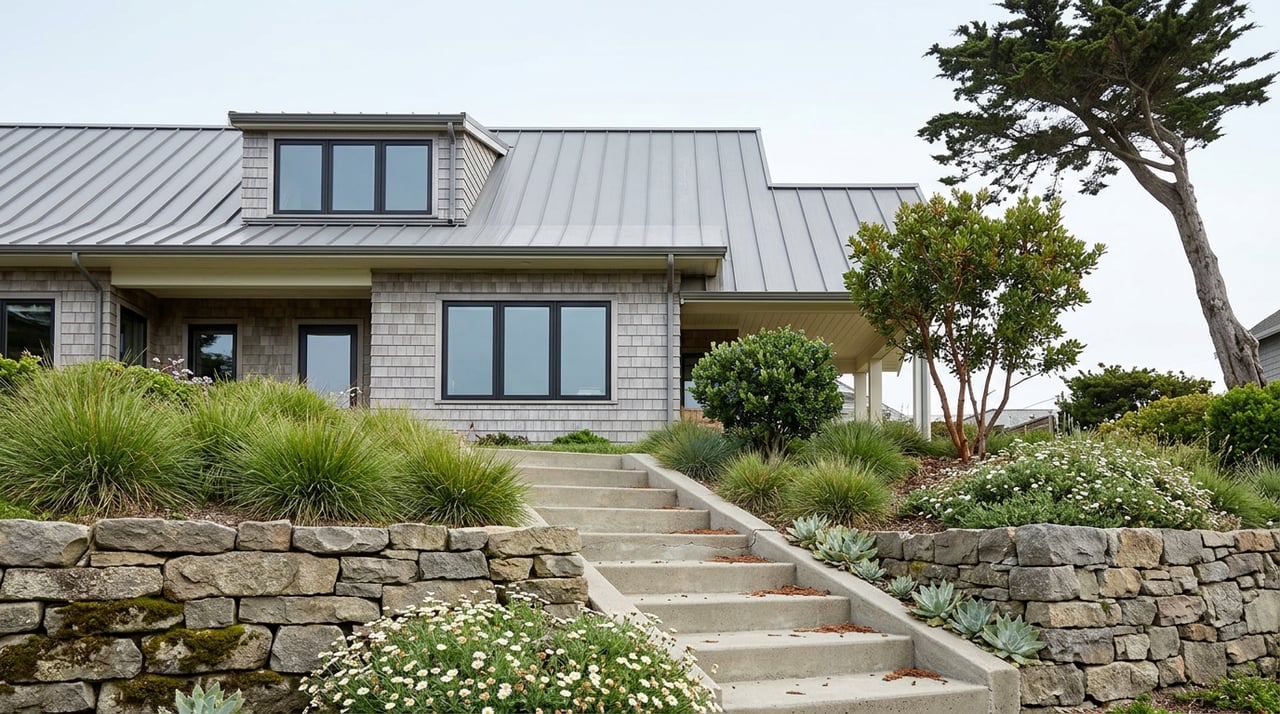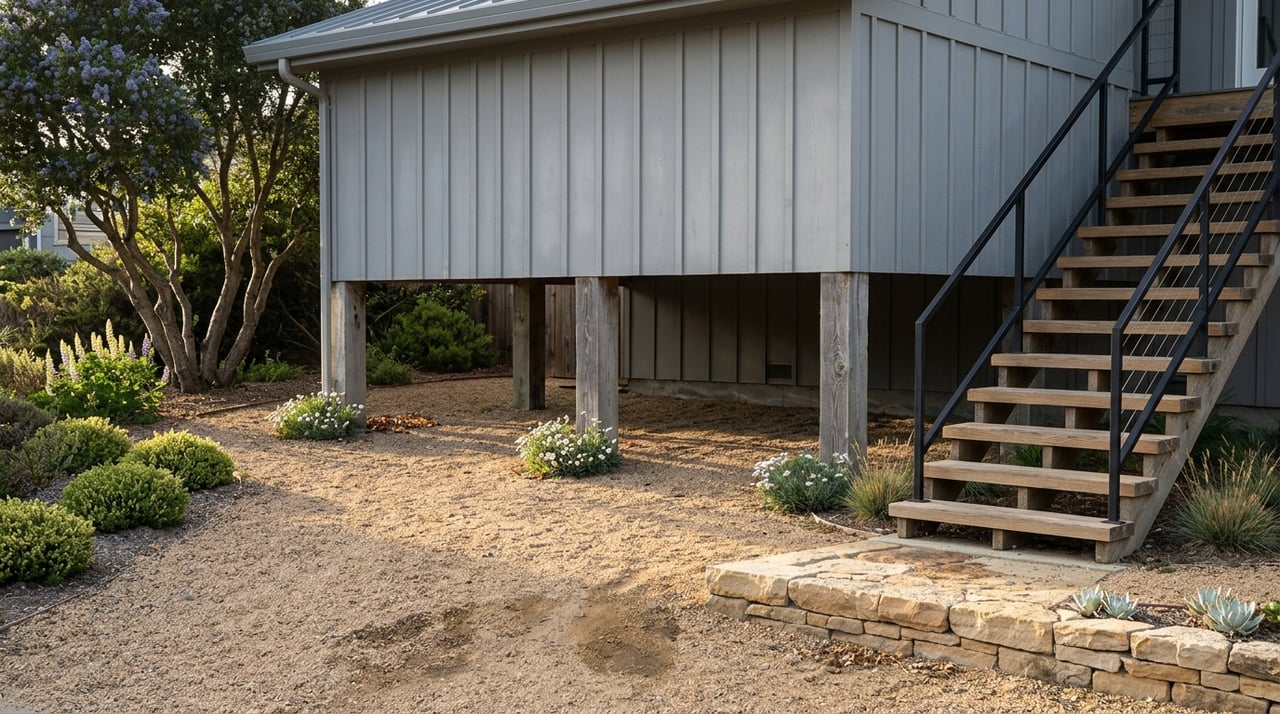
Selling in Aptos is rarely just about putting a sign in the yard. In this coastal market, buyers are looking at condition, setting, paperwork, and how easily the home fits the beach-and-redwoods lifestyle they picture for themselves. If you want a smoother sale and fewer last-minute surprises, the best move is to prepare earlier and more strategically than you might expect. Let’s dive in.
Why prep matters in Aptos
Aptos is a distinct Santa Cruz County community that includes areas such as Rio Del Mar, Seacliff, and Seascape. Its identity is shaped by places like Forest of Nisene Marks State Park, Seacliff State Beach, and Rio Del Mar State Beach, so buyers are often responding to both the home and the lifestyle the property represents.
Recent market snapshots point in the same general direction, even though the numbers vary by source. As of March and April 2026, reported values ranged from about $1.199 million median sale price to $1.346 million average home value, with limited active inventory and timelines that ran from roughly 34 days to pending to 120 days on market depending on the platform. The practical takeaway is simple: Aptos remains a high-value market, and a polished, well-prepared listing has a better chance to stand out.
That matters even more because buyer activity appears steady, but not rushed at any price. Some public sources described Aptos as balanced or not very competitive, which suggests presentation, pricing discipline, and clean disclosures can have a real impact on your result.
Start with county rules
Before you schedule painters, landscapers, or deck work, confirm what rules apply to your property. In Aptos, that step can save you time, money, and stress later.
Coastal zone status can affect projects
Santa Cruz County says the coastal zone extends about five miles inland from the North Coast, with narrower boundaries in some mid-county areas. The county recommends checking the parcel in its GIS mapping application to confirm whether your property is in the coastal zone.
If it is, even modest exterior work may need review. The county notes that construction, reconstruction, demolition, grading, vegetation removal, and other land-use changes may require a Coastal Development Permit, and some projects in certain locations may be appealable to the California Coastal Commission.
For sellers, the message is clear: do not assume a fence update, retaining wall, grading fix, or major landscape refresh is automatically simple. If your prep plan includes exterior changes, verify permit requirements first so your listing timeline stays intact.
Encroachments can matter too
Santa Cruz County also notes that certain encroachments on county-owned property, roads, rights-of-way, or easements may require a Coastal Encroachment Permit or waiver. If your property has improvements near access areas or public interfaces, this is worth checking early.
Focus on the real red flags
In Aptos, the highest-value prep work is usually not flashy. It is the work that reduces buyer concern and keeps inspections from derailing momentum.
Coastal wear deserves attention
Coastal exposure can be hard on homes. FEMA notes that salt spray and moisture can speed up corrosion and decay, which is especially relevant for properties close to the ocean, on a bluff, or in windy and damp conditions.
That means it is smart to inspect exterior hardware, railings, trim, deck fasteners, roof details, sealants, caulking, and drainage systems before listing. Even a well-cared-for home can show wear faster in a coastal environment, and buyers often notice those details right away.
Water intrusion and safety come first
If you are deciding what to fix first, start with issues tied to water intrusion, safety, visible deterioration, and possible permit concerns. In practice, that often includes:
- roof and gutter problems
- failed flashing or caulk
- moisture damage
- deck or railing issues
- peeling paint
- damaged exterior hardware
- drainage concerns
- work that may have been done without clear permits or final approvals
These are the kinds of issues most likely to trigger buyer objections, inspection questions, or renegotiation.
Wildfire and hazard disclosures are part of prep
Santa Cruz County fire-hazard mapping and California disclosure law make hazard awareness part of the selling process. California Civil Code section 1103 requires disclosure when a property is in certain mapped hazard areas, including very high fire hazard severity zones, state responsibility area wildland fire zones, earthquake fault zones, and seismic hazard zones, when applicable.
For you, that means exterior cleanup and vegetation management are not only visual improvements. They are also part of the broader risk and disclosure picture a buyer may evaluate.
Know if septic or well timelines apply
One of the biggest timing mistakes in Aptos is assuming every property follows the same utility path. Some homes are in service areas, while others rely on onsite systems that require extra steps before closing.
Septic inspections may be required
Santa Cruz County says that for properties served by an onsite wastewater treatment system, sellers must complete a point-of-sale septic inspection report and disclosure. The county recommends doing this before listing so any deficiencies can be addressed early.
If the system fails inspection, the seller is generally responsible for repairs before close unless that responsibility is formally transferred to the buyer. If transferred, the work must generally be completed within 90 days after close.
Private water testing can take weeks
For rural properties served by an individual water system such as a domestic well, spring, or stream diversion, Santa Cruz County says a time-of-sale testing requirement began on September 1, 2025. Sellers must complete yield and water-quality testing, and in the coastal zone, additional measures such as chloride, conductivity, and total dissolved solids may be required when requested by the county.
The county notes that the testing process can take 3 to 5 weeks. If your property uses an individual water system, this should move to the top of your prep list.
A smart Aptos prep timeline
A calm sale usually starts with a clear sequence. In a market like Aptos, the order matters just as much as the work itself.
6 to 8 weeks before listing
Start by building your property file. Gather permits, finals, invoices, warranties, receipts, and any prior inspection reports before you commit to cosmetic updates.
This is also the right time to confirm coastal-zone status, identify whether the home has septic or an individual water system, and review any past work that could raise permit questions. If you live out of town, this early document phase is especially important because county-related items can add time fast.
4 to 6 weeks before listing
Next, prioritize repairs that reduce buyer friction. Focus on moisture, safety, visible exterior wear, drainage, and any item that could become a major inspection issue.
If your home has septic or private water, schedule county-related inspections and testing in this window. Waiting until the home is live on the market can slow the transaction and create room for renegotiation.
If the home was built before 1978 and planned work will disturb paint, EPA rules require lead-safe practices for covered renovation, repair, or painting work performed by paid contractors. This is another reason to plan early rather than rush repairs at the last minute.
1 to 2 weeks before listing
Once the major items are handled, shift to presentation. Aptos buyers are often drawn to light, ease, and the connection between indoor spaces and the outdoors.
This is the moment to reduce clutter, open sightlines, freshen textiles, and make patios, decks, yards, or view-facing spaces feel usable and inviting. A home that feels ready for relaxed coastal living tends to resonate more strongly than one that is simply clean.
Launch week
In the final stretch, focus on a deep clean, touch-ups, photography readiness, and a disclosure package that is ready to go. California Civil Code section 1102.3 says the Transfer Disclosure Statement must be delivered as soon as practicable before transfer of title.
That timing matters. If required disclosures are delivered after an offer is executed, the buyer receives a statutory termination period. In other words, early disclosure prep is not just paperwork. It helps protect your momentum.
Prepare disclosures early
In California, disclosures are part of your marketing readiness, not just your escrow file. Sellers who assemble them early often create a smoother experience for everyone involved.
Transfer Disclosure Statement
The Transfer Disclosure Statement applies to most single-family residential transfers in California. State law says the seller must deliver the completed statement as soon as practicable before transfer, and if a required disclosure or material amendment is delivered after the offer is signed, the buyer gets a statutory window to terminate.
Natural hazard disclosure
California Civil Code section 1103 requires disclosure of certain mapped hazards when applicable, including flood, earthquake fault, seismic, wildfire, and very high fire hazard severity zone status. Ordering the hazard report before going active can help you avoid delays later.
Lead-based paint disclosure
For homes built before 1978, federal law requires sellers to disclose known information about lead-based paint and lead-based paint hazards before contract. Sellers must provide available records and reports, include the required warning language, and give buyers a 10-day opportunity to inspect or risk-assess unless that right is waived.
County-specific forms
If your property has an onsite wastewater treatment system or an individual water system, Santa Cruz County may require additional inspection, testing, and disclosure steps beyond standard California forms. These should be checked against the parcel and utility type early in the process.
Stage for the Aptos lifestyle
Aptos has a strong sense of place, and your presentation should reflect that. Buyers are often responding to a coastal setting that also connects to redwoods, trails, and outdoor living.
That does not mean over-styling the house. It means helping buyers see calm, clean spaces, easy indoor-outdoor flow, and a home that feels cared for and ready to enjoy.
Simple choices usually work best:
- keep rooms bright and uncluttered
- highlight windows and natural light
- soften signs of coastal wear with clean touch-ups
- make decks, patios, and yards feel functional
- organize storage so the home feels easy to live in
This is where thoughtful strategy matters. In a high-value market, details shape the emotional first impression.
Why local guidance helps
Preparing a home for sale in Aptos can involve more moving parts than sellers expect. Coastal-zone questions, septic rules, water testing, hazard disclosures, visible wear, and staging all affect timing.
That is why a detail-driven plan matters. With calm execution, strong communication, and the right local vendor coordination, you can address the meaningful issues first and present your home with clarity and confidence.
If you are thinking about selling in Aptos, Caroll Basile can help you build a smart, concierge-style prep plan that fits your property, your timing, and your goals.
FAQs
How early should you start preparing to sell a home in Aptos?
- A good rule of thumb is 6 to 8 weeks before listing, especially if your property may involve coastal-zone review, septic inspection, or individual water-system testing.
What repairs matter most before listing a home in Aptos?
- The highest-priority repairs are usually water intrusion issues, safety concerns, drainage problems, exterior deterioration, and any items that may raise permit or inspection questions.
Do Aptos sellers need to check coastal permit rules before exterior work?
- Yes. Santa Cruz County says some exterior changes in the coastal zone may require permit review, including grading, vegetation removal, reconstruction, demolition, and other development activity.
Do septic systems affect the sale of a home in Aptos?
- Yes. If the property is served by an onsite wastewater treatment system, Santa Cruz County requires a point-of-sale septic inspection report and disclosure.
Do private wells or other individual water systems affect sale timing in Aptos?
- Yes. Santa Cruz County says time-of-sale yield and water-quality testing may be required, and the process can take 3 to 5 weeks.
When should California seller disclosures be delivered for an Aptos home sale?
- California law says required disclosures such as the Transfer Disclosure Statement should be delivered as soon as practicable, because delayed delivery can give the buyer a statutory termination window.